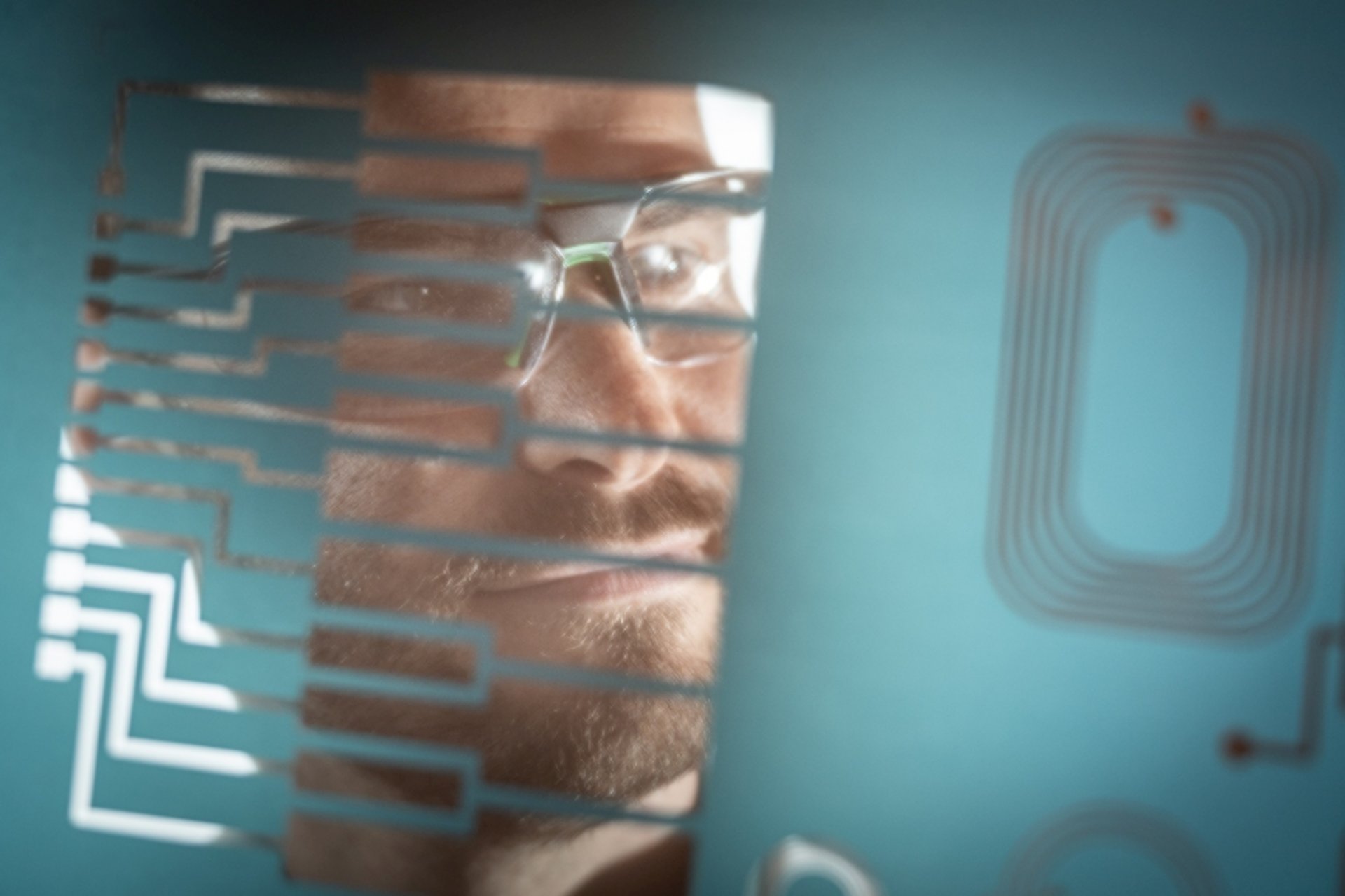
The foundations for the Centre for Digital Printing Technologies were laid over 14 years of research: the journey towards the centre began in the CD Laboratory for Functional Polymer-Based Printer Inks. A key result is a self-reducing silver-polymer-based ink system with potential for strain sensors in rock bolts, conductive, flexible and printable adhesives, flexible displays, sensors for measuring humidity, and medical technology applications.
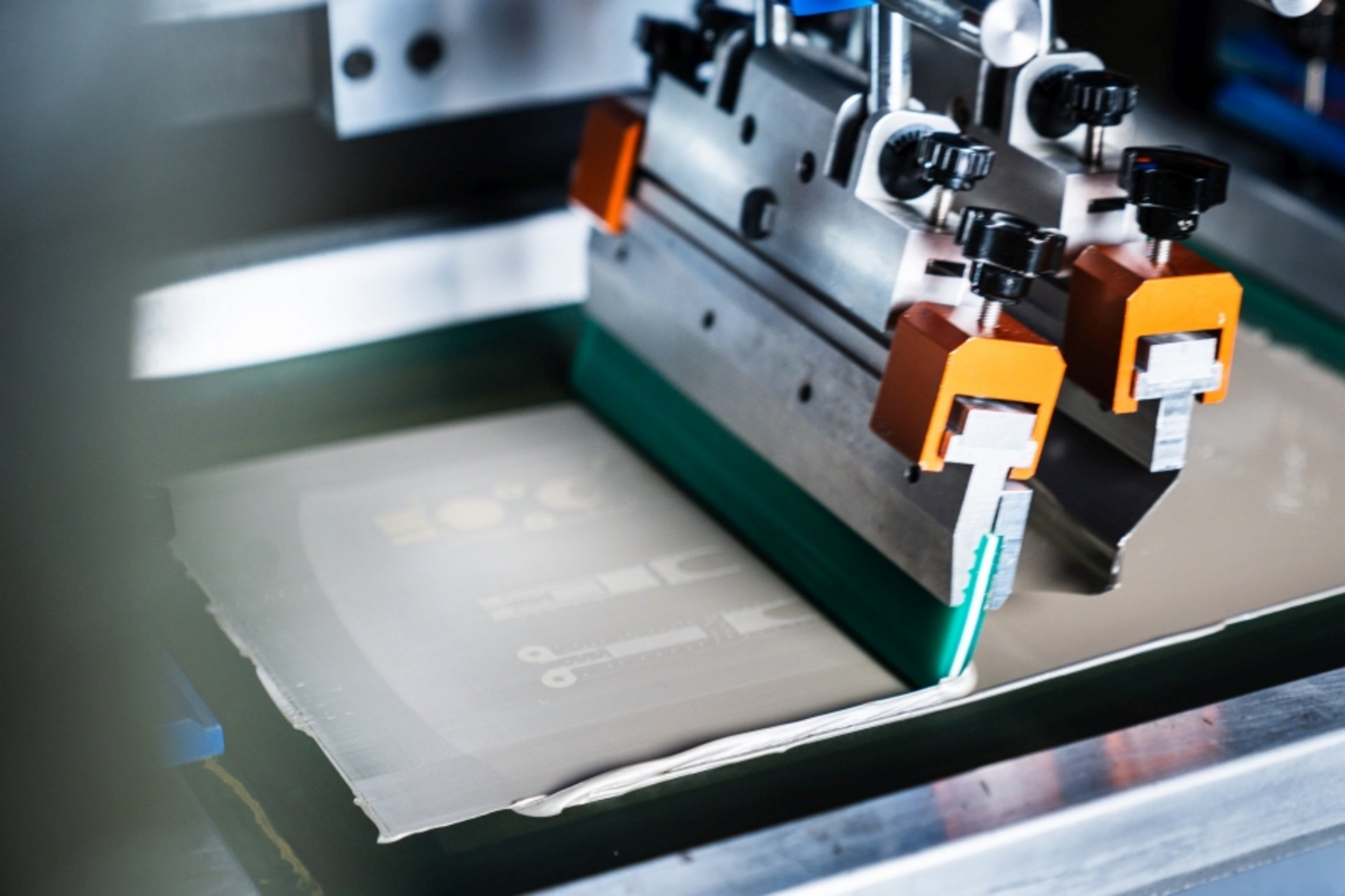
Made possible by infrastructure funding totalling 1.5 million euros from the Federal Ministry for Women, Science and Research (€1,084, 000) and Montanuniversität Leoben (€500,000), the laboratory's completion in spring 2026 is equipded with state-of-the-art facilities, including a range of printers and printing processes, for the research and development of electronic components as well as the further development of the associated processes and materials used. The laboratory’s equipment includes, amongst other things: screen-printing systems and state-of-the-art inkjet printing stations, which enable the precise printing of both flat substrates and 3D components. For high-precision applications, high-resolution printing systems are available, enabling the printing of functional structures in the single-micrometre range.
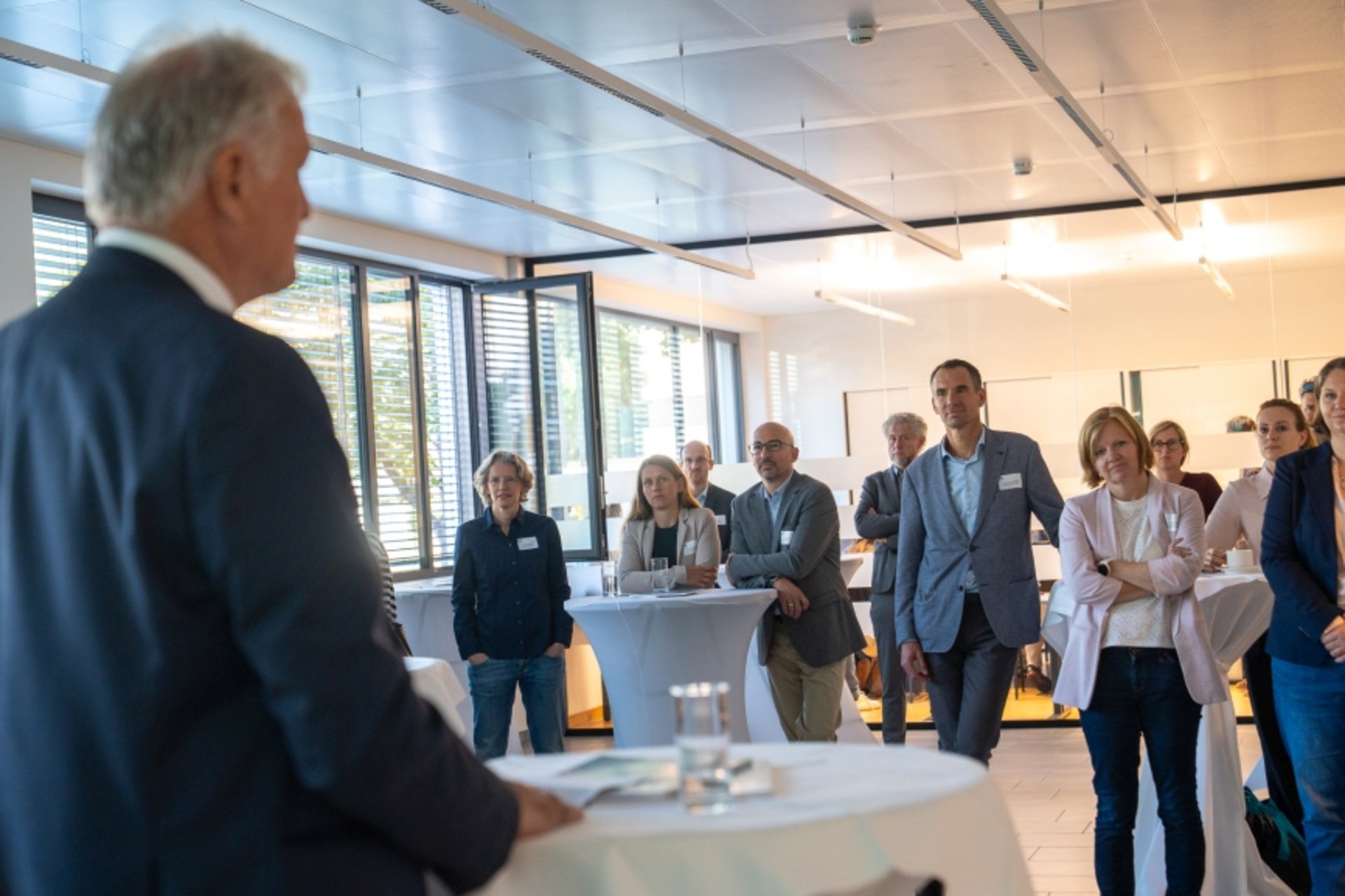
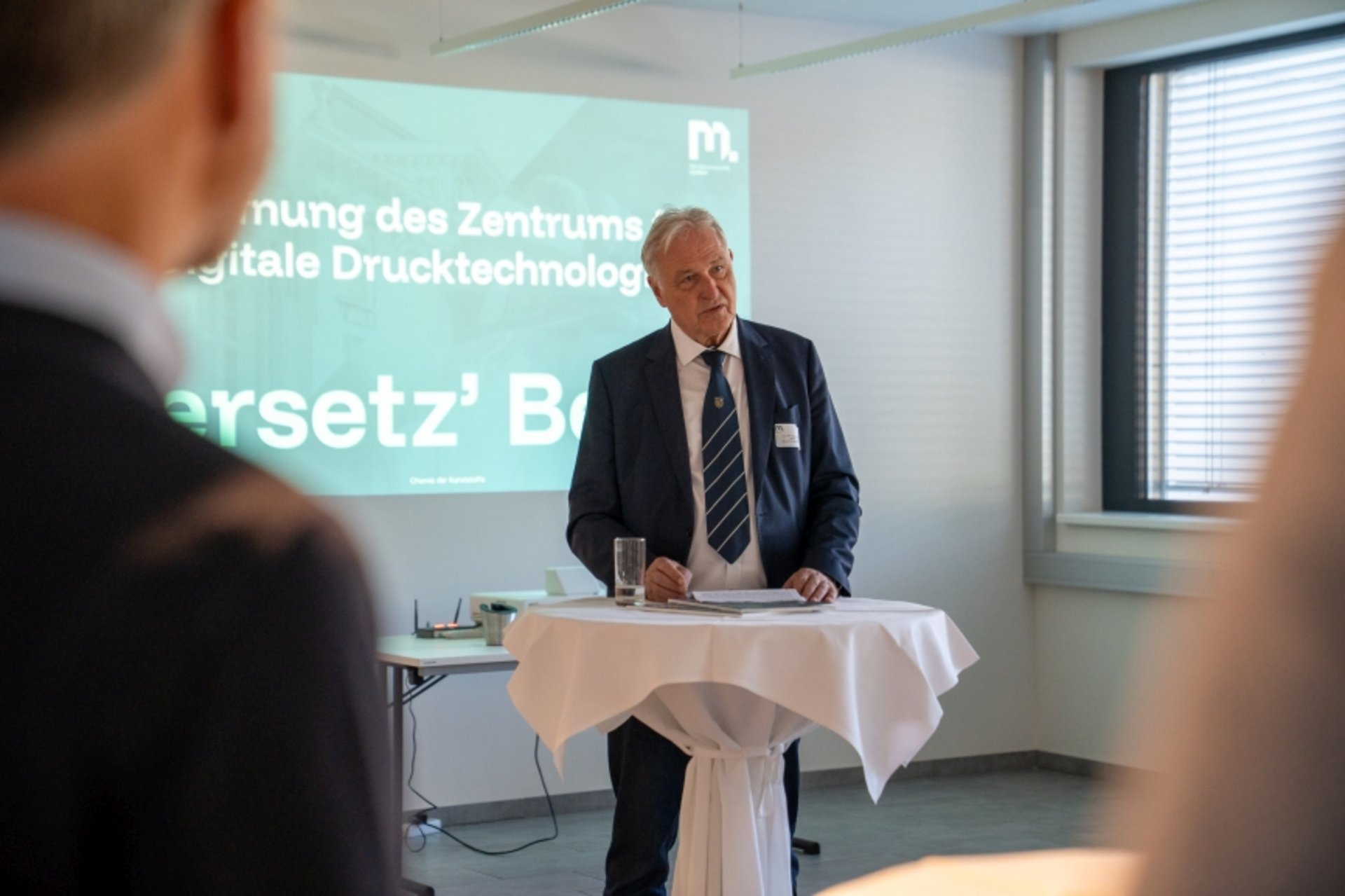
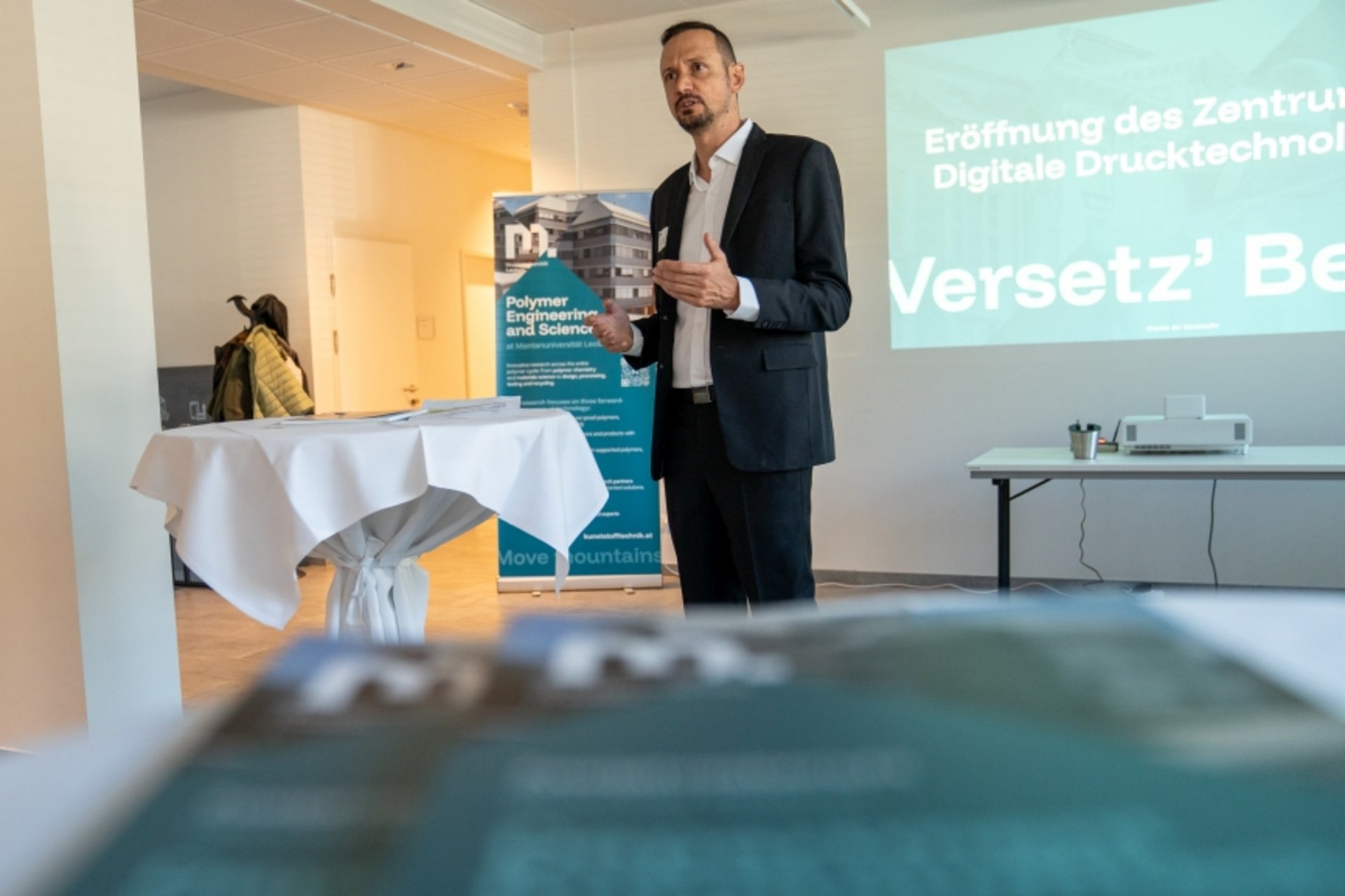
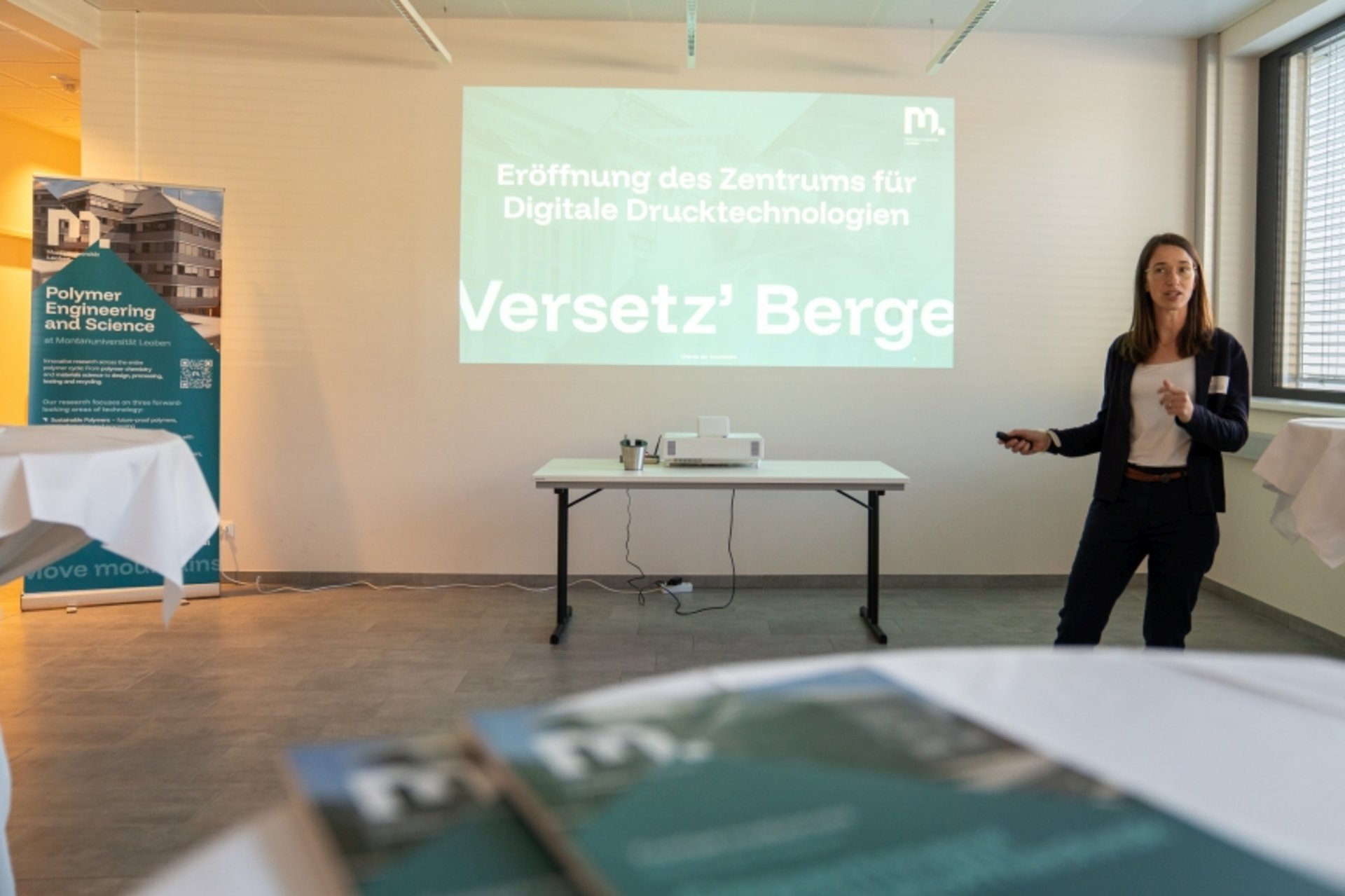
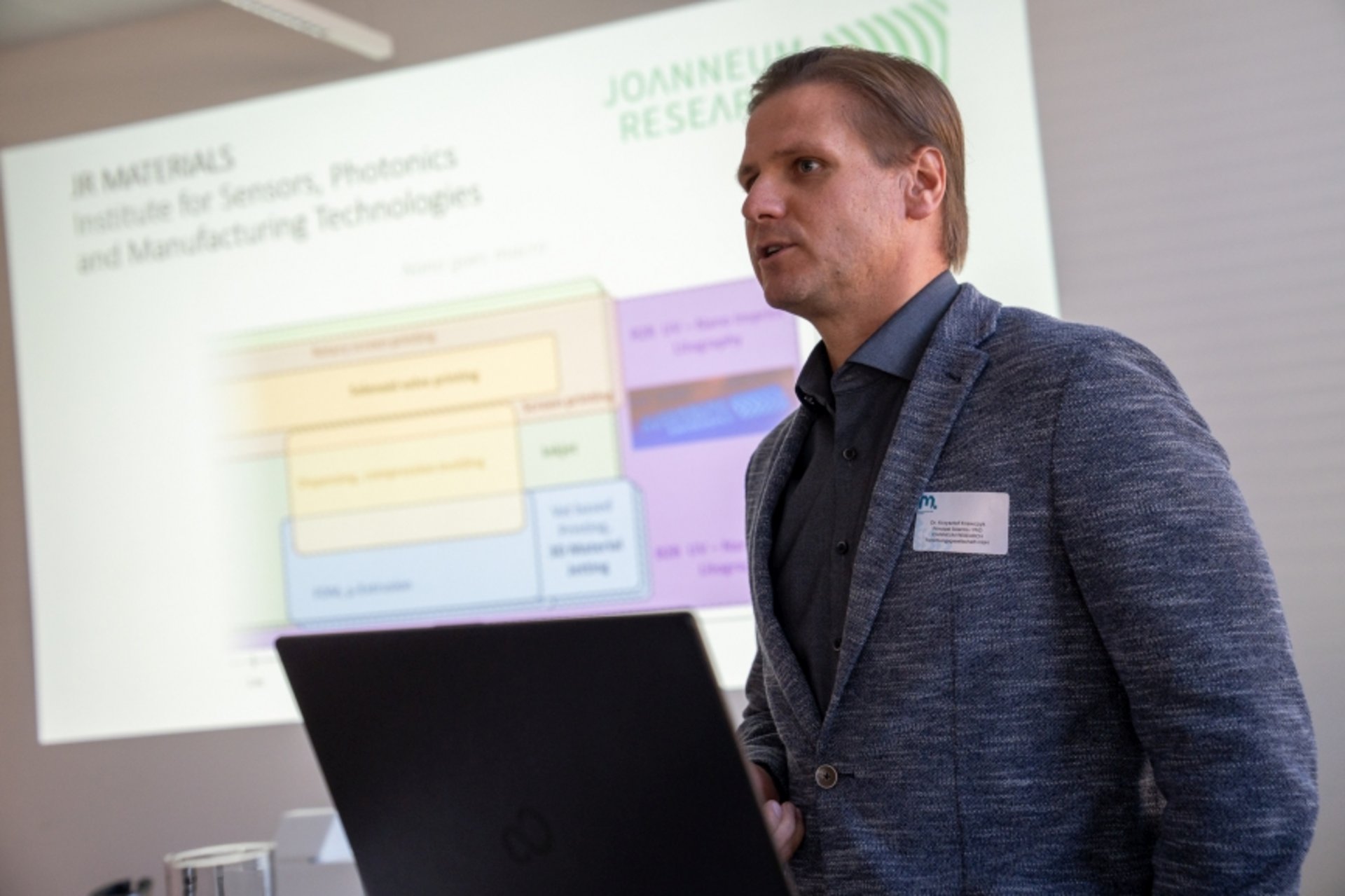
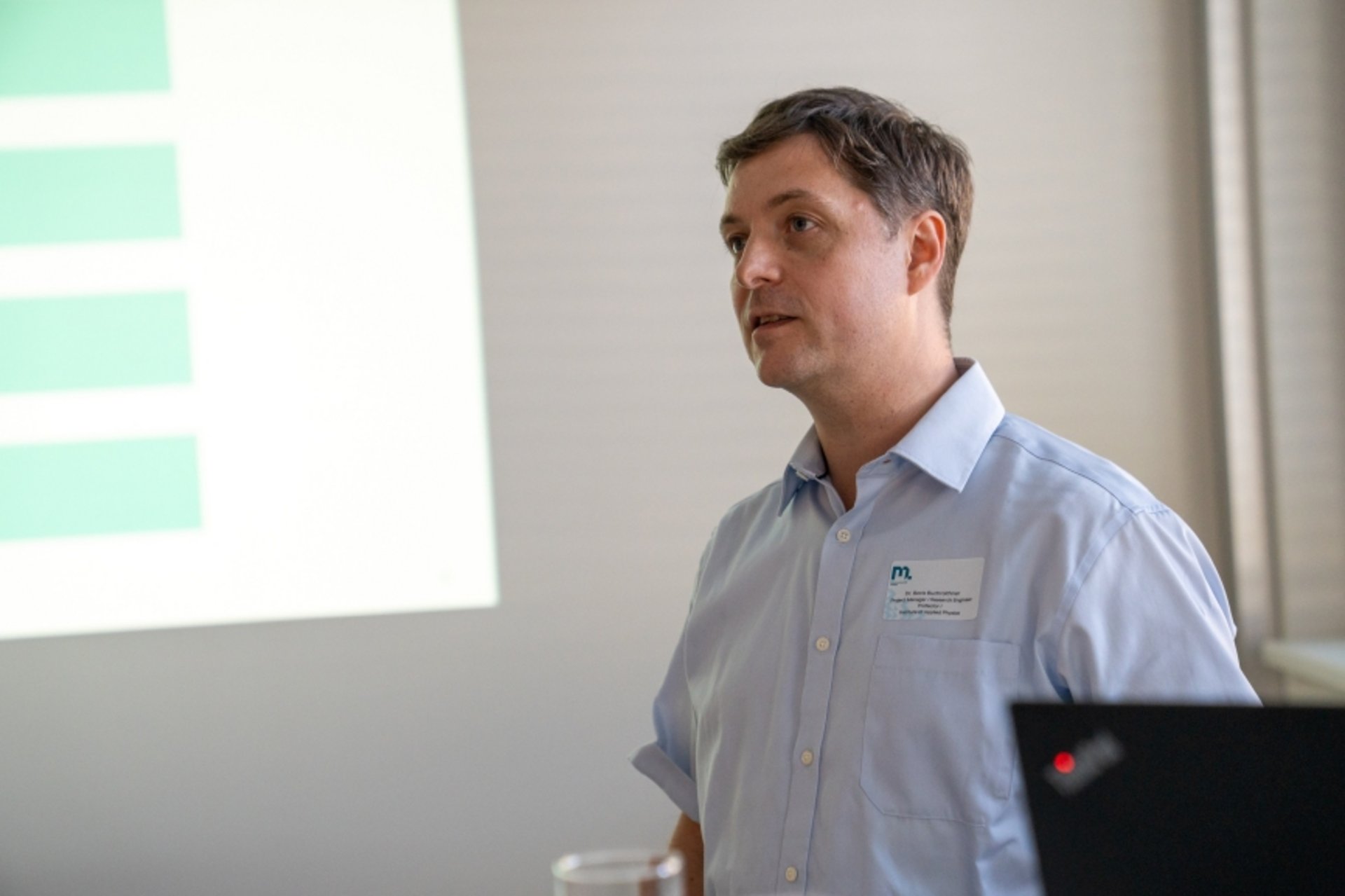
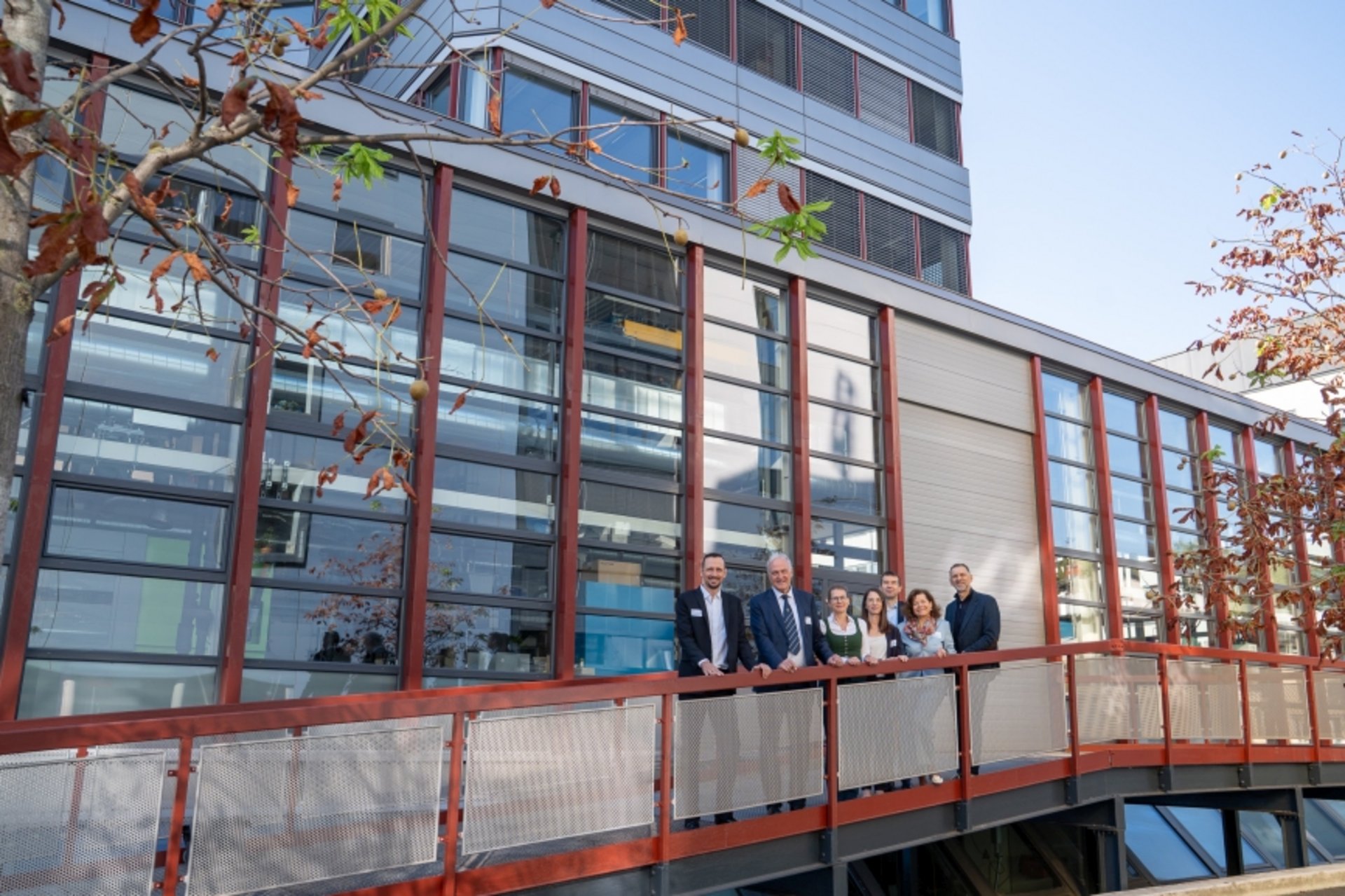
The opening of the Centre for Digital Printing Technologies began with welcoming remarks from Thomas Grießer, Head of the Institute of Chemistry of Polymeric Materials, and Rector Peter Moser. Subsequently, Alice Lassnig, Head of the Printed Electronics Research Group and Director of the Centre for Digital Printing Technologies, gave a concise overview of the development and facilities of the new laboratory. Two keynote speeches then provided in-depth insights into the research and industrial applications of printed electronics:
- Dr. Boris Buchroithner, Profactor, Research Engineer
Printed Electronics at PROFACTOR: Expertise, Research and Applications - Dr. Krzysztof Krawczyk, Joanneum Research, Principal Scientist
Become Printable: Chemistry and Rheology in Inkjet Printing.
During guided lab tours in small groups, guests were treated to vivid demonstrations of conductive inks, sensor technology and flexible electronics. The event concluded with a networking session over coffee and snacks, during which professional exchanges with partners from academia and industry were further deepened.
Several projects and collaborations are currently underway: FFG-funded projects in which printed electronics play a central role, such as Invis PV and NeoFloor, form key areas of focus, complemented by collaboration with industry and research partners.