Why liquid hydrogen?
In addition to storing hydrogen in gaseous form, it is also possible to store it in liquid form. LH2 has the advantage of requiring much less space, meaning that more energy can be transported and stored in a confined area. This cryogenic (= very cold) storage method requires the hydrogen to be cooled to around minus 253 degrees Celsius to keep it in a liquid state. This takes place in highly insulated tanks, which to this point have been made of metallic materials. These can become brittle and shrink in extreme cold, are heavy, and come with further disadvantages.
Advantages of composite tanks
Tanks made from composite materials could be an alternative – compared to metal, they are significantly lighter, have lower thermal conductivity, are highly strong at low temperatures and actually become stiffer. Furthermore, composites cannot corrode or become brittle. Composite tanks also offer great design freedom and integration possibilities, and are attractive in manufacturing due to automated processes, short cycle times and the potential for lower unit costs. Furthermore, they can enhance safety – thanks to their multi-layered structure and the ability to integrate sensors for condition monitoring. However, some of these factors must first be evaluated.
The CroCo research project
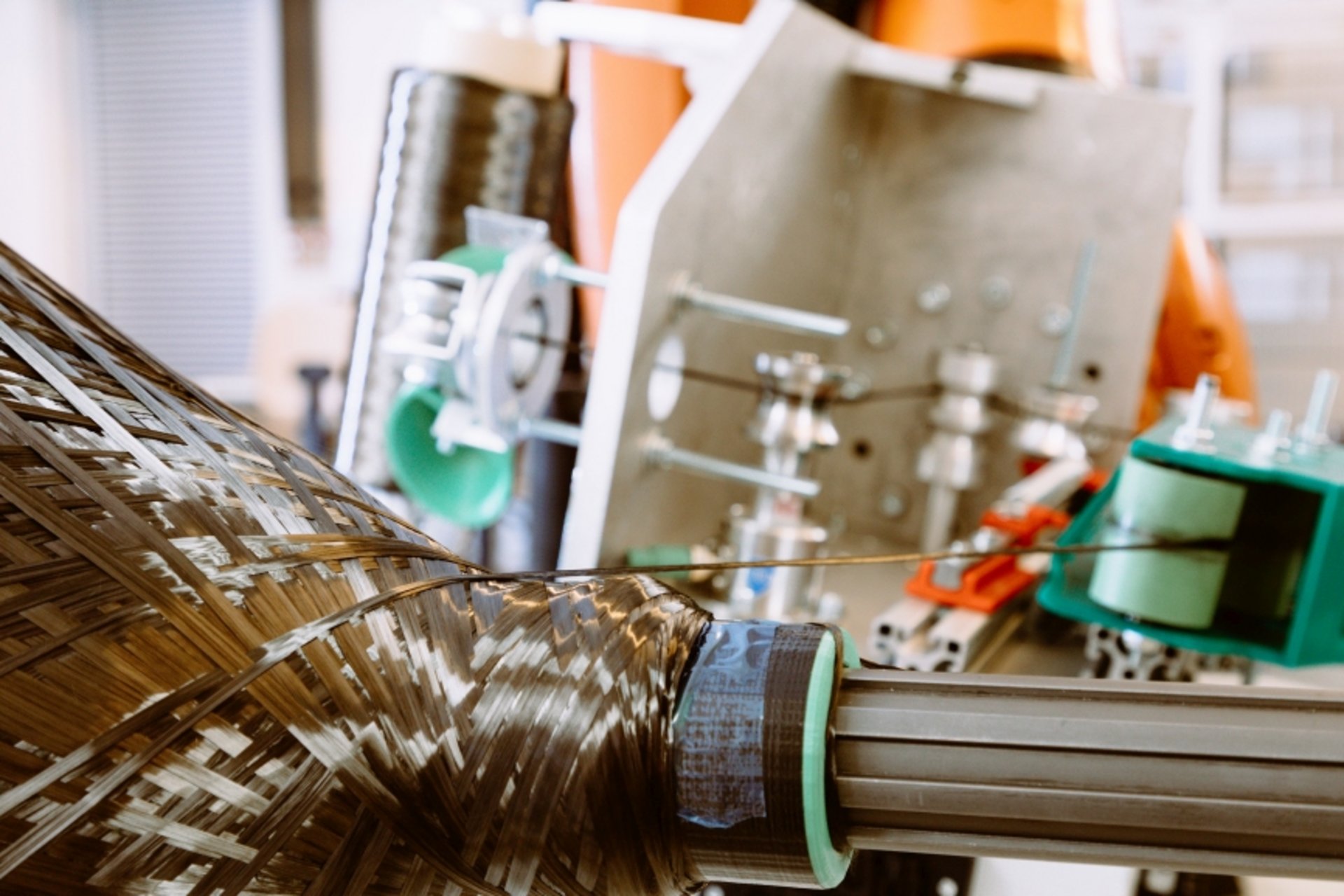
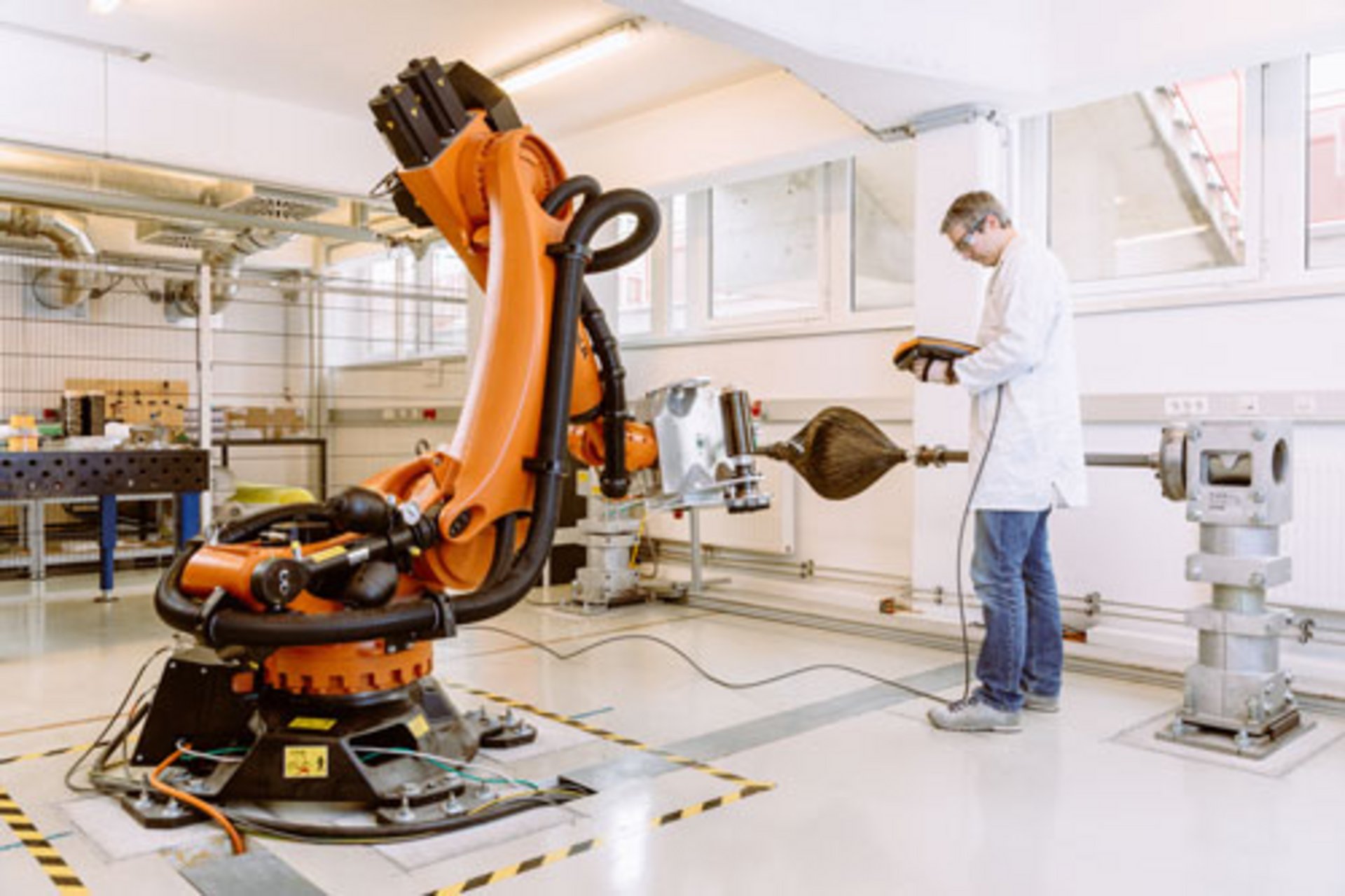
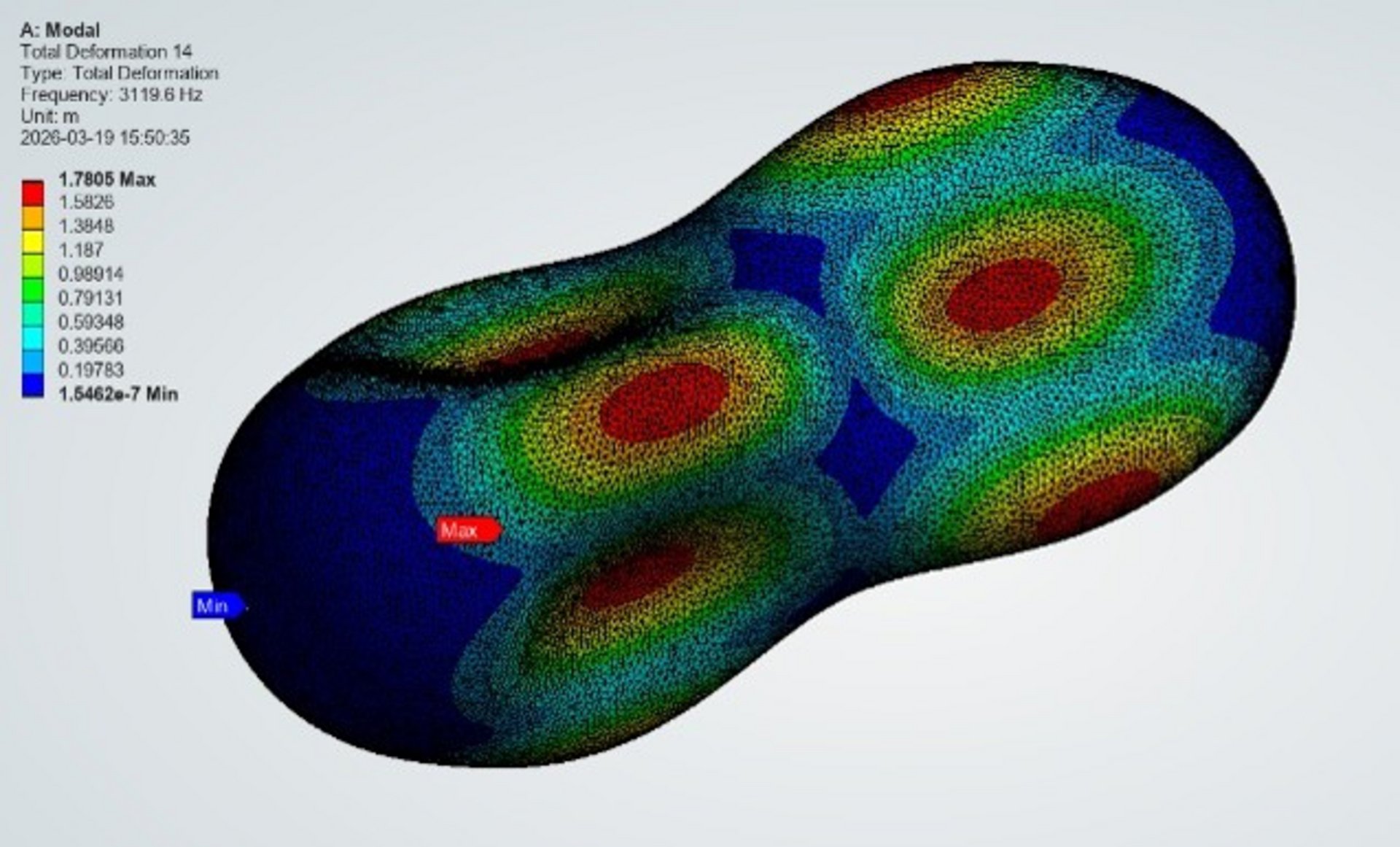
These investigations are to be carried out at a conceptual level within the exploratory project CroCo – Concept development of a cryogenic composite tank as a technology demonstrator for LH2 propulsion systems in aircraft. The requirements for a research tank will be investigated, such as mechanical and thermal stability under cryogenic conditions, suitable manufacturing and insulation concepts, the long-term behaviour of materials under dynamic loading, and the safe integration of components such as valves, pumps and sensors. CroCo is a multidisciplinary collaboration: the Processing of Composites and Design for Recycling Group is focusing on the winding-based fabrication of plate-shaped structures as a basis for test specimens for mechanical and thermal material testing, and is supported in this by the PCCL as a third-party service provider. FH JOANNEUM is addressing various aspects of tank sloshing at the simulation level, a phenomenon that can lead to undesirable dynamic loads on tank and load-bearing structures during the transport of liquids in aircraft
Objective and outlook
The aim is to identify the best lightweight composite materials for liquid hydrogen tanks, test them under extreme cold conditions, and improve manufacturing and insulation methods. The findings from the development of the prototype tank are to be incorporated into a follow-up project in which a real composite tank will be developed.
About the project
Project title: CroCo – Concept development of a cryogenic composite tank as a technology demonstrator for LH2 propulsion systems in aircraft
Funding: FFG WRLT 24/26, WRLT 24/26, Take Off Call 2024
Partners: FH JOANNEUM Gesellschaft mbH (project coordinator), Processing of Composites and Design for Recycling Group at Montanuniversität Leoben
Contact: Dipl.-Ing. Hannah Rabe, hannah.rabe(at)unileoben.ac.at, +43 3842 402 - 2707, Processing of Composites and Design for Recycling Group
This project is funded by the FFG (www.ffg.at). The FFG is the central national funding organisation and strengthens Austria’s innovative capacity.